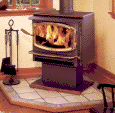
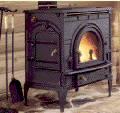
Wood stoves are available in a variety of styles that vary from contemporary
to traditional-looking models. They are usually cast iron, plate steel,
sheet metal, or a combination of these materials. Some manufacturers have
altered the appearance of the traditional cast-iron stove by applying different
materials to the outside of the stove. Stoves are frequently enameled in
a variety of colors and some are covered with marble or porcelain. Steel-plate
stoves are generally made of 3/16- to 1/4-inch thick plates cut and stamped
to shape. Cast-iron stoves are made of cast parts bolted together. The parts
should have detailed lines and clean surfaces free of grains. The characteristics
of steel and cast iron are not significantly different, therefore you can
make your choice based on size , budget and the design of the stove.
You can tell if a wood stove is well-made by checking for clean castings,
smooth welds, tight doors, smoothly-operating draft controls, and the appearance
of good workmanship. Most stoves also have firebricks or metal plates to
prevent burnout. These materials increase both the life of the stove and,
to some extent, the thermal mass (the heat's storage medium). After the
fire is out, a 500-pound stove radiates heat several hours longer than a
250-pound stove. Stoves may have doors on the top, on the side, or both.
Many of the new wood stoves have large glass doors on the side so that you
can see the flames. Some glass doors perform better than others. For example,
one type uses an infra-red barrier in the glass that reflects heat back
into the firebox. Some new models have airflow systems that remove soot
and smoke from the glass doors, making them virtually self-cleaning. Wood
stoves can also include several additional features such as thermostats,
insulated door handles, removable ash pans and blowers
If you are purchasing a stove for a home that has never had one, you will
probably need to install a chimney. Prefabricated metal chimneys are the
easiest types to retrofit. They are relatively inexpensive and not extremely
difficult to install. You will, however, need to cut a hole in your roof.
If you are using an existing chimney in your house, make sure that the stove
you are planning to buy is compatible. Many existing chimenys need to be
relined (with stainless steel pipe) in order for them to work correctly
with the new high-efficiency stoves.