

Non-cat stove advice for lofted house with mild winters

  • Active since 1995, Hearth.com is THE place on the internet for free information and advice about wood stoves, pellet stoves and other energy saving equipment.

    We strive to provide opinions, articles, discussions and history related to Hearth Products and in a more general sense, energy issues.

    We promote the EFFICIENT, RESPONSIBLE, CLEAN and SAFE use of all fuels, whether renewable or fossil.

Hydeman2

New Member
Oct 18, 2026
2
Missouri
I am wanting to get a wood burning insert in before it gets too cold in Missouri. This will be our main source of heat since our central heat is too small for our square footage due to an add on by a previous owner. We are wanting a non-cat stove but are struggling to decide which one is best and which accessories we need for it. I feel like people generally research this for a year before getting one but we have only been dreaming about it for a couple of years rather than researching.

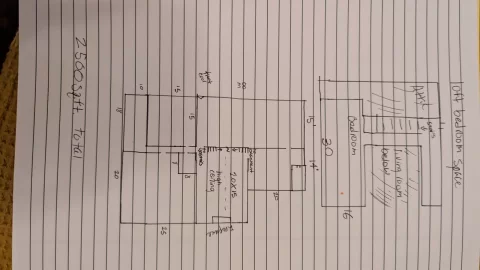
A few details: we have a fireplace in the basement and one of the main floor. Our floor plan is 2500sqft total (not including basement). Our main bedroom is lofted above the living room. We frequently hang out in either the living room or back office (10x18 room bottom left corner). We have a ceiling fan and are willing to put box fans on the landing upstairs to keep pushing around the hot air so the upstairs doesn't get too hot. Chimney is split, one side is basement, other is main floor. Chimney is 25'~ from ground to top. We want the

Our fireplace opening is 4 feet long and 2 1/2 feet tall and 23" deep. We want the fireplace to stick out to heat the home better.

Why we want a non-cat, please correct is these are bad reason: want a fast start, leave it while we go to work and start it up when we get home, is cheaper than cat stove, simple and idiot proof for our first stove, low maintenance, uses the type of wood we have around our property.

I have seen others attach layouts of their floor plan so I will do the same to get the best advise possible .
[Hearth.com] Non-cat stove advice for lofted house with mild winters
 
As far as cat vs non cat, two things you list as differences are more or less the same. As far as burning the kind of wood you have around your property, either will burn soft or hard wood, and either will want that wood to be dry.

“Start the fire fast and go to work”: it could be that the non cat might be a bit more forgiving in timing, but either stove has a similar requirement from a cold start. You’ll need to get the fire burning pretty hot and the reduce the air with the non cat, which will take a little time. Same thing for the cat stove, except it’s a little bit more fiddly to get to a certain threshold before engaging the cat and shutting it down. In either case if you shut it down before the fire is hot enough to really burn well and get secondary combustion or catalytic ignition, the stove will smolder and smoke all day unless you are lucky and it takes off just right. Non cat slight advantage here if starting from cold. But the cat might have a big advantage of starting from a good coal bed and be ready to take off right away.

The catalytic stove will very likely hold a fire better and longer than the non cat. Depending on if you get a (catalytic) insert with a big enough firebox, the catalytic stove will offer you a greater possibility of coming home from work or waking up to a fire or good coal bed that is much easier to load and get going without matches and kindling.

The most catalyst-forward of all, Blaze King, can offer extremely long burn times, including low burn rates for milder weather.
I don’t have a Blaze King but the reputation is extremely good, and something to look at before you dismiss catalytic inserts.

I did have a non cat stove for many years and had to start the fire from scratch with matches and kindling every single morning, sometimes twice a day. My current catalytic stove rarely needs matches and a fire from scratch once the real heating season begins. I do not miss starting the fire from scratch every morning in a cold house. Instead I put wood on the coal bed in the already warm house.

Yes, the catalytic stove requires cleaning out the cat every month or so, and replacing the cat every few years.
 
Do you have your wood yet? Firewood needs to be split and stacked a minimum of a year to be dry enough to burn (some species like oak can take up to 3 years). Most places you buy wood from will tell you their wood is ready to burn but most of them are not being honest. If you don't already have dry wood it's too late to dry it leaving your only choices for dry wood probably being more expensive that running your furnace. This is true for cat or noncat stoves. Buying a stove and getting it installed before it gets cold out will be quite difficult as well as any good installers are extremely busy this time of year.
 
  • Like
Reactions: NickW
With the right cat stove you may be able to load the night before, get up and go to work as the work is already done. That won’t happen with a tube stove.
 
  • Like
Reactions: NickW
Just a note that cats don't all need cleaning once a month.
I may brush off the surface of my cat twice a year, and that's with a steel cat (smaller holes than a ceramic one - for my brand models - so more easily catching fly-ash).

Both stove types need dialing down and that is what takes the time. Not the one valve to flip over after 10 minutes or so when a cat is active enough (only on a cold start), or on a hot reload, I flip it over 60 seconds after closing the door, which I do 2 seconds after I put the last split in. That's one extra action, but does not take time, because the time you have to wait before leaving is determined by the time you need to dial the stove down so that it does not run away on you while you're gone (unless you have a regulated stove, which prevents that from happening).

What is more important than all of that is the firebox volume (and that it fits in your fireplace). The firebox volume gives you the amount of BTUs you can distribute during the burn down.
Next is the aesthetics (happy significant other, happy life).
Next is the *rate* with which the stove/insert can distribute the BTUs you put in there. That determines the range of burn times you have available to you. But that is inversely related to the heat output, and thus to the temperature in your home. Long burn time means lower heat output, so lower room temps. For the same amount of fuel (firebox size), a shorter burn time means higher output, and hotter room.

Or your preference of the above three may be in another order.

Cat stoves generally have the same upper limit of BTU production rate as non-cats, but some cat stoves have a lower lower limit (i.e. they can burn slower) than non-cats.

For all stoves and inserts, check what the specs (flue height) are; it's important to install according to specs, otherwise things can go wrong.
 
  • Like
Reactions: NickW
Look into a large Osburn (or Drolet), PE Summit insert in non-cats. The main issue will be that most of the heat will rise to the 2nd floor ceiling peak leaving the lower floor rooms cool. One or two ceiling fans will be needed to move the hot air stratification.
 
For a beginner would you say that non-cats are safer than cats? We are trying to decide which one to get now since all of these are very valid points. We will have to buy wood for the first two winter seasons for either stove. If we were to get a non-cat will the immediate super hot heat just rise up and not heat the house as well as a cat (even with fans)?
 
The controls are usually simpler, with no bypass in most non-cat stoves. And there is no concern about contaminating, cleaning, or shocking the cat.

The heat rise is a separate issue and will happen regardless of stove choice.
 
Safety has to do with controlling the fire so that it doesn't run away.
For a stove with standard air control that doesn't make much difference whether it is cat or no cat imo.
25 ft makes running away a real possibility.

Bought wood most likely is not dry enough anyway; firewood sellers don't have enough space to dry oak for two years.

So if I were you I'd buy wood for the next two or three years now, build a shed, and dry it yourself.
And buy sawdust bricks for this winter to mix with the wetter wood.