
Woodstove for interior Alaska cabin

  • Active since 1995, Hearth.com is THE place on the internet for free information and advice about wood stoves, pellet stoves and other energy saving equipment.

    We strive to provide opinions, articles, discussions and history related to Hearth Products and in a more general sense, energy issues.

    We promote the EFFICIENT, RESPONSIBLE, CLEAN and SAFE use of all fuels, whether renewable or fossil.
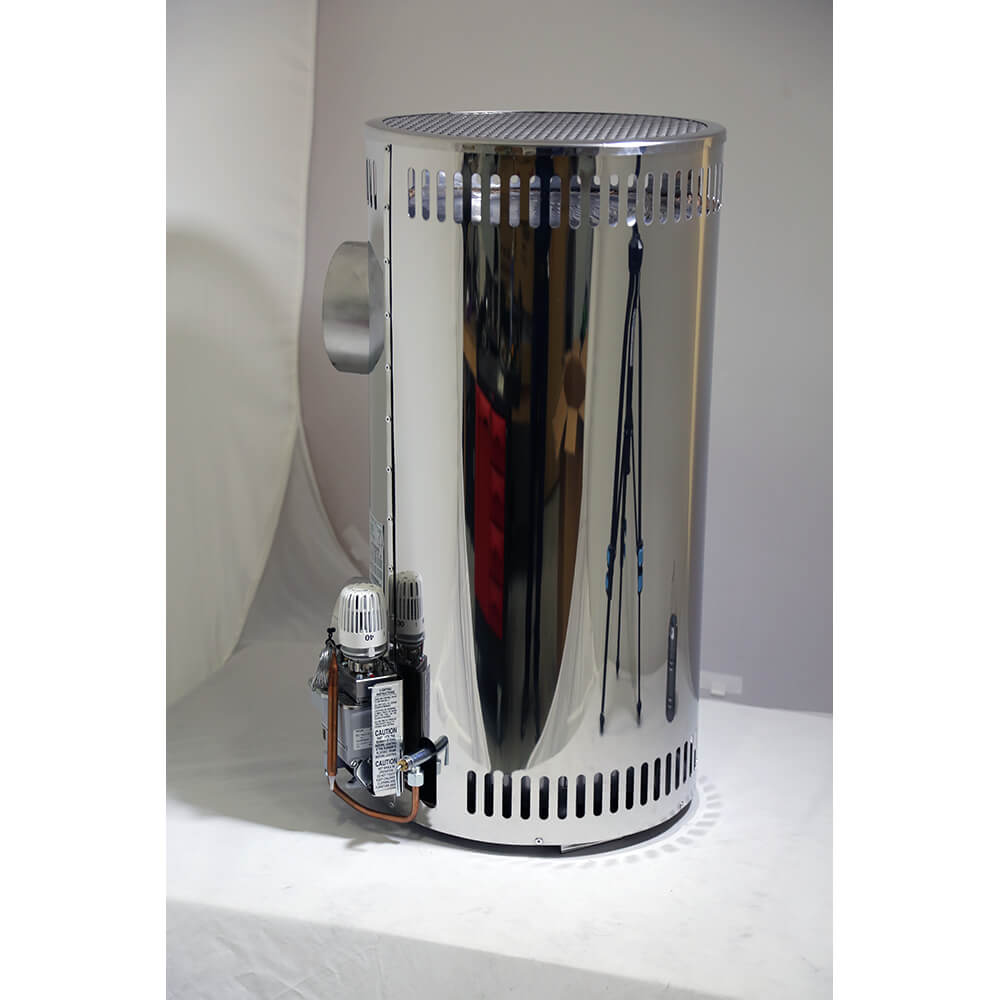
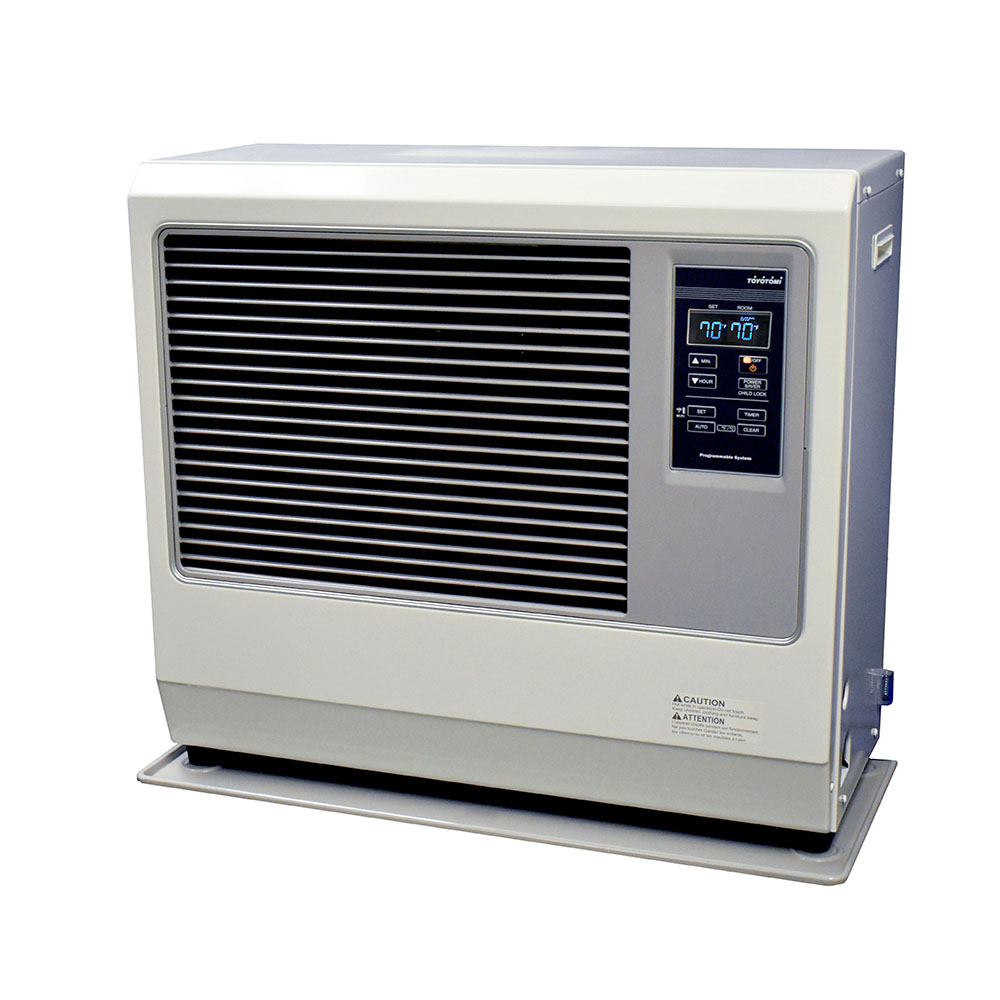
Any mechanic that will come will have a diesel heater. They call them salamander heaters. He won’t even shut his truck off.

Have more than one generator.

Forget the pellet idea.

I wish you well.
What if the diesel mechanic can not come out to fix it due to a snow storm, roads out? How long does one go without solar power and diesel backup? How do diesel mechanics get to remote off grid cabins after a major snow storm in remote Alaska?

Tell me why you don't like the pellet stove. Explain the math and science behind it.

Alaska Cold Climate Housing Research Center...


A Solar Design Manual for Alaska, Sixth Edition...


The experts up in Alaska that I've been in contact with recommend redundancy with multiple heating sources to address all the possible fail points in case something fails. The pellet stove as an emergency backup is not a primary heat source but, an important backup that provides redundancy in case the main heat source fails.
 
Last edited:
  • Like
Reactions: Todd
Yes, for very good reasons to keep the inside of the utility shed warm if there is any emergency when it's negative -58 below zero F outside.

If the generator malfunctions, the pellet stove is important to make sure the inside of that utility shed is above freezing so a diesel mechanic (if they can come out to fix it) is not trying to work in negative -58 degrees below zero F and will be able work in a area that is not life threatening. Better to work on a diesel generator in a 70 degree shed than a negative -58 below zero F shed. Also, keeping that utility shed above freezing will make that diesel generator easier to repair and to start. Will be sort of hard to thaw out that diesel generator and get it started when it's sitting there in -58 below zero.

I'm also trying to limit the number of things that will be plumbed into that diesel tank to reduce diesel consumption and save on diesel fuel costs. One of my main reasons to be living off the grid is to eliminate as many utility bill payments as possible and to go as long as possible without having to refill the diesel fuel tank. I want to be as independent from fuel as much and as long as possible as I can.

After going through the numbers/data, I can save over $1,200 dollars a year and over $12,000 dollars over 10 years by limiting the diesel fuel use this way. I've thought about running many appliances and heating sources through that diesel tank, it adds up fast and the tank needs refilling faster. I want to go as long as possible from relying on fuel as much as I can.

That heated utility shed can also be used as an emergency shelter in case of a fire in the log cabin and the log cabin burns down in the middle of winter. You never know.
I understand the need to keep the diesel generator at 40 F or so (no need for 70 imo).
I don't see the utility of storing relatively low energy density (and thus high (shipping) cost) pellets as compared to diesel that you have anyway, when a diesel heater is very low tech (reliable) and uses very little fuel.as compared to the generator fuel that you have right there anyway and doesn't require additional cost and storage.
 
I’m also off grid and like to watch these off grid YouTubers. Take a look at Holdfast Alaska. They just acquired a deisel generator and are currently building a shed to put it in. I remember them saying it was specifically designed for the harsh Alaska conditions and is able to run at extreme low temps.
 
  • Like
Reactions: Highbeam
Any equipment that you have will need to be maintained. This takes mechanical ability, time and money. I understand everything costs more in Alaska. Are you able to maintain all of this equipment or will you be hiring somebody to come in and do all of the serving? I can see an emergency service to a distant property costing thousands.
 
What if the diesel mechanic can not come out to fix it due to a snow storm, roads out? How long does one go without solar power and diesel backup? How do diesel mechanics get to remote off grid cabins after a major snow storm in remote Alaska?

Tell me why you don't like the pellet stove. Explain the math and science behind it.

Alaska Cold Climate Housing Research Center...


A Solar Design Manual for Alaska, Sixth Edition...


The experts up in Alaska that I've been in contact with recommend redundancy with multiple heating sources to address all the possible fail points in case something fails. The pellet stove as an emergency backup is not a primary heat source but, an important backup that provides redundancy in case the main heat source fails.
If the diesel mechanic cant get there and you arent a diesel mechanic what difference does heating the shed make? Yes redundancy is important but why not just a small cheap woodstove instead of the gimmicky pellet stove that relies on store bought fuel
 
If the diesel mechanic cant get there and you arent a diesel mechanic what difference does heating the shed make? Yes redundancy is important but why not just a small cheap woodstove instead of the gimmicky pellet stove that relies on store bought fuel

They have coal up there too. Maybe consider that in a combo woodstove like from DS? Coal stores well. Anything but pellets. Redundancy of viable heat sources is important. A recreational experiment with pellets might be fun if you have money to burn but please do not make pellet heat any sort of important source. You could die.

The more I hear from this poster the more I think attention should be paid to an evacuation plan. Have a way to get back to the city. And please do not come up with some sort of woodgas fueled snowmobile, just use a regular fuel and engine.

We haven't even talked about the proposed water supply. Heating is easy compared to that.
 
  • Like
Reactions: bholler
I’m also off grid and like to watch these off grid YouTubers. Take a look at Holdfast Alaska. They just acquired a deisel generator and are currently building a shed to put it in. I remember them saying it was specifically designed for the harsh Alaska conditions and is able to run at extreme low temps.

Another good one is https://www.youtube.com/@SimpleLivingAlaska they have a diesel generator, BK stove, solar, oil, propane, etc. No pellets of course.
 
  • Like
Reactions: Rich L and Todd
If your mind is made up, no one will change it if you don't want it changed. That's okay, it is your life. My vote would be a diesel heater in that shed together with the simplest backup option, there's less chance of failure, and you can source your own fuel. Wood stove.
 
What if the diesel mechanic can not come out to fix it due to a snow storm, roads out? How long does one go without solar power and diesel backup? How do diesel mechanics get to remote off grid cabins after a major snow storm in remote Alaska?

Tell me why you don't like the pellet stove. Explain the math and science behind it.

Alaska Cold Climate Housing Research Center...


A Solar Design Manual for Alaska, Sixth Edition...


The experts up in Alaska that I've been in contact with recommend redundancy with multiple heating sources to address all the possible fail points in case something fails. The pellet stove as an emergency backup is not a primary heat source but, an important backup that provides redundancy in case the main heat source fails.
The pellet discussion is better to have with folks in the pellet forum, especially those that run these gravity stoves regularly. Like the old auto slogan says - Ask the man that owns one. Extra points if you find an interior Alaskan running one.
 
I don't like the idea of a regular standard wood stove in the utility shed for constant feeding with wood logs every 2 to 4 hours which drains my wood supply and takes logs away from the main cabin Blaze King 40. Feeding multiple wood stoves at once with the same cord pile makes me apprehensive if I can't get seasoned wood delivered at a remote property in the middle of winter and the roads are out. I can't just start cutting down trees or use dead trees as that wood is not seasoned. I also have been thinking about having a second wood stove installed in the cabin upstairs on the second floor, a much smaller one.

If pellets are not the best alternative for the utility shed, how about a wood stove that is multi-fuel compatible that can also burn Anthracite coal which can burn for 24+ hours? The Salamander The Hobbit wood stove can burn wood logs, eco-logs, anthracite coal and I believe also regular coal and lump charcoal so it gives me at least 5 different fuel options and are easily available which is much more versatile, practical and dependable for survival. It's also over $1000+ dollars cheaper than the Liberator Rocket pellet stove...


Any other small wood stoves available that are multi-fuel compatible that are not over $1500+ dollars?
 
  • Like
Reactions: Todd
I like the coal idea. Easy storage requirements, good burns.
 
It would be prudent (essential?) to be always at least 1-2 years ahead with the wood supply. Then, a bit of wwod for an occasional warm up in the shed is a non-issue. Do check on the availability of delivered coal in Fairbanks first. Note that starting a coal fire needs wood and it's a slow warm up.
 
  • Like
Reactions: Todd and Log Home
It doesn't have to be strictly the Salamander The Hobbit coal stove, other companies make wood stoves compatible with anthracite coal too like Hitzer...

 
  • Like
Reactions: Todd
Sorry, I just took for granted that if you were off grid, you also would be cutting your own firewood. It does make quite a difference if you are purchasing the firewood.
I'll be doing some cutting but, as I get older there will be a day where I won't be able to or, if I suffer any injuries with back etc.
 
  • Like
Reactions: Todd
How much would 10 cords of wood a year cost to have delivered up there?
 
  • Like
Reactions: Todd
How much would 10 cords of wood a year cost to have delivered up there?
Not sure of the exact cost for areas that a little more remote that need delivered wood.

I'm crunching some numbers on different types of wood stoves with different fuel sources, which saves most money annually, which is most easily available for emergencies and which is least labor intensive.

One option is instead of having the Blaze King King 40 as the main heat source, replace it with the Hitzer 50-93 EZ Flo Hopper Coal Stove as the main centralized heat source and use anthracite coal in it, and have a smaller backup wood stove on the main floor. A dual fuel cabin.

There are advantages and disadvantages to both wood logs and anthracite coal. I think it's good to have both heat sources available in a house.

My concern is as I get older I won't be able to harvest that wood, cut it, chop it, stack it. I want to have a wood stove in the cabin to compliment the cabin and I'm not 100% dependent on it. I do like the idea of buying bulk anthracite coal and burning it in stoves. The Hitzer can get at least 30+ hours on long slow sustained burns. Use anthracite coal as base load, wood logs as backup secondary or the option to switch back and forth...

What should be the heavy lifter for the cabin for fuel source, Blaze King King 40 vs Hitzer 50-93 EZ Flo Hopper Coal Stove with a smaller wood stove in the corner ?

 
Last edited:
  • Like
Reactions: Todd
Are you physically able to process that much wood now? It takes a lot of time and effort to process that much wood. You’re looking at stacking 40,000 lbs of wood. Theres a lot of the tree that you’re cutting and moving, but not processing into firewood.

Theres a reason why houses built to be solely heated with wood gathered/processed by themselves are all small. It physically takes less wood (or any fuel) to heat them.

I’ve seen more than 1 homestead type show where they have a guest building vs additional rooms in their house. I bet it takes a lot less effort to heat up an additional small bedroom sized, even couple bedroom sized building for a week than it does to keep additional rooms warm all winter long.
 
  • Like
Reactions: Todd
I’m sure you’ve seen Dick Proenneke’s cabin that he lived in alone for 30 years was around 250 sq ft. A better stove, roof insulation could allow you to double or triple the size of it and get by on only a few cords of wood a year.

To view this content we will need your consent to set third party cookies.
For more detailed information, see our cookies page.
 
  • Like
Reactions: Log Home and Todd
White Spruce, Birch, and Poplars are the wood species you will be working with. There is good news and bad news. The good news is these trees don't get really big and aren't that dense so you can buck and process them easier than big wet hardwoods or firs. And there are many dead standing trees, mostly Spruce, that can be used immediately. And the green wood will probably be ready in a year of drying.

Birch is going to be king - learn what it looks like in tree and firewood forms. A good 50cc or 60cc chainsaw should get the job done. The bad news? - these woods are lower btu values so you will need more cordage. And your burn times in the wood stove will be shorter than say if you were to fill the stove with oak or ash. So more stove refills.
 
  • Like
Reactions: Todd
White Spruce, Birch, and Poplars are the wood species you will be working with. There is good news and bad news. The good news is these trees don't get really big and aren't that dense so you can buck and process them easier than big wet hardwoods or firs. And there are many dead standing trees, mostly Spruce, that can be used immediately. And the green wood will probably be ready in a year of drying.

Birch is going to be king - learn what it looks like in tree and firewood forms. A good 50cc or 60cc chainsaw should get the job done. The bad news? - these woods are lower btu values so you will need more cordage. And your burn times in the wood stove will be shorter than say if you were to fill the stove with oak or ash. So more stove refills.
I've been thinking of going with a large centralized stove that burns anthracite coal as the main heat source and a smaller wood stove that burns logs in the corner of the family room/dining room. The anthracite coal stove will do most of the heating. The smaller wood stove as a backup so, fewer cords per year.
 
  • Like
Reactions: Todd and qwee
It doesn't have to be strictly the Salamander The Hobbit coal stove, other companies make wood stoves compatible with anthracite coal too like Hitzer...

Is anthracite available in Fairbanks or just soft bituminous? A quick check showed only one supplier and that may be dubious. Oil is a safer bet there.
 
Getting one's primary fuel source shipped thousands of miles away does not sound practical or inexpensive. A non-electric oil heater may be more manageable for fuel delivery. This could work in tandem with a wood stove for redundancy.

no power
low power

Definitely get on some Fairbanks forums to network with locals on the most realistic solutions.
 
Last edited:
It's too bad Poindexter isn't on this thread. When is this move intended to take place?
 
  • Like
Reactions: Todd